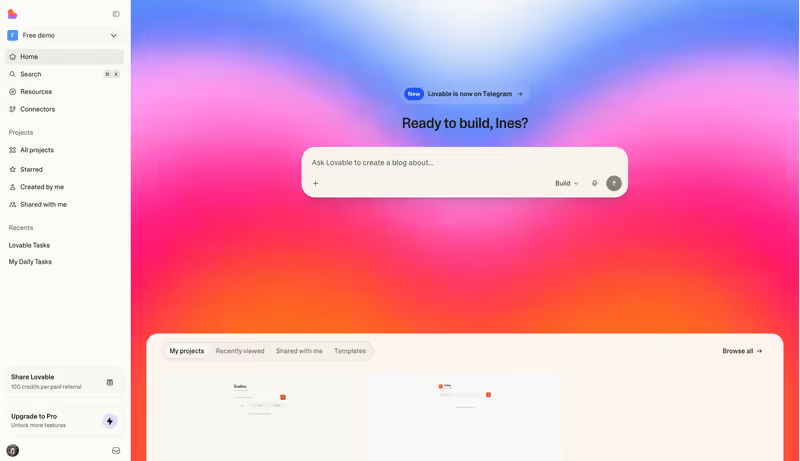
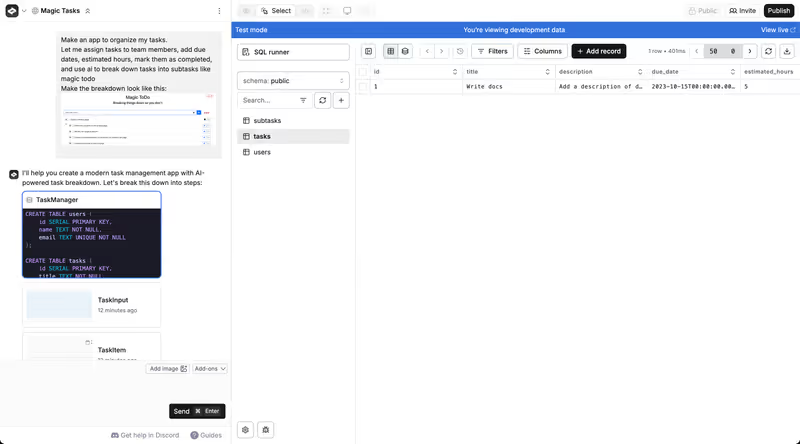
The standard test for a mobile-first consumer app is how easily a non-developer can translate a polished, finger-friendly UI idea into a live, touch-responsive prototype. Unlike desktop dashboards, mobile layouts live or die by micro-interactions, responsive tap targets, and clean visual themes. When judging Lovable and Anything on this job, the divergence is clear: Lovable wants to scaffold a full-stack, deployable React codebase synced to GitHub, while Anything focuses on a visual canvas where you can select individual visual blocks and prompt the AI to patch them directly.
This mobile use case exposes the limits of pure vibe coding, especially when layouts must shift dynamically between screen sizes. Mobile-first designs require highly reliable CSS layouts, quick local adjustments, and predictable token costs during the endless iteration cycles that make an app feel premium on a phone. The typical failure modes in this category - from broken CSS containers to sudden project-refactoring bugs - are precisely what determine if either platform can move past a static landing page into a living, interactive consumer experience.